
SEO Explained: What is SEO and How Does Google Rank Websites? (The Ultimate 2026 Blueprint)
This has happened to each person when starting his or her own website. You hit the “publish” button, relax and start waiting for traffic to come in. But after a few days, nothing much happens apart from your friends from the company seeing whether you have managed to set up your website.
And of course, you need to know how to get ranked on Google.
All of that is achieved through the process called Search Engine Optimization or SEO for short.
In this guide, we are going to take away all the confusion and give you an insight into what SEO is, how does Google rank websites and how to build your own SEO strategy.
1. What Is SEO and How Does It Work?
Search Engine Optimization (SEO) means optimizing your web presence in such a way that search engines such as Google will put it on the first position in their search results whenever somebody searches for certain keyword or phrase.
Let us imagine that Google is the digital librarian. In contrast to giving some random book to the user that might be out of stock, Google goes through the entire vast catalog of its collection and locates the exact page that can give the most reliable and accurate answer.
SEO is simply the strategy of creating a website that will make the digital librarian aware of all the content of your pages and the information contained in it and willing to recommend your website to the users.
Organic Advantage: Why SEO is Better than PPC Advertising
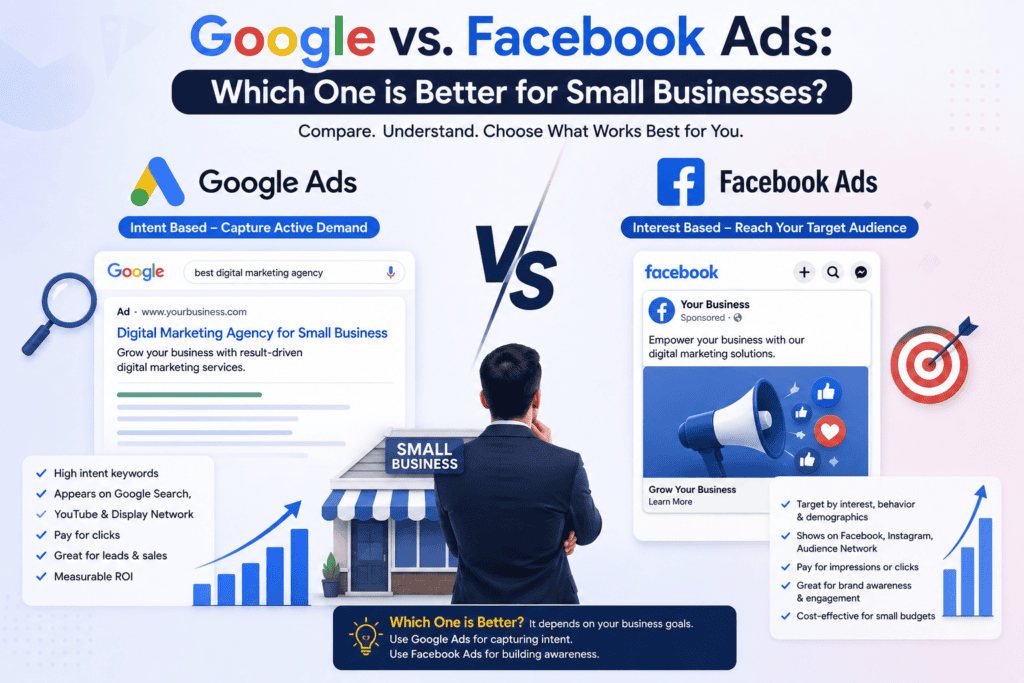
Unfortunately, many companies become victims of the temptation of spending their money only on paid advertisements (PPC advertising). Despite the fact that PPC advertising gives fast results, they disappear as soon as the company stops paying. In contrast to PPC advertising, SEO gives endless stream of traffic once the company knows how to rank websites on Google and occupy leading positions.
2. Backstage: How does Google rank websites?
Before optimizing your website for Google, you need to know the processes behind Google finding your website. The process of Google organization of the web consists of three steps:
Step 1: Crawling Google uses automated software programs known as “spiders” or “bots” to crawl the internet. These bots visit pages, find out new content, find updates on pages, and find broken links. If there is no proper internal linking structure of your website, these bots may fail to notice some of your crucial pages.
Step 2: Indexing When a bot crawls a page, it analyses its content including the text, images, and code structure. In case if the page complies with all Google standards, it will be stored in Google Index which is the largest database on earth. It can be compared to the catalog of the largest library of the world.
Step 3: Ranking After entering the search query into the search box, Google tries to find the searched data from the index. The process takes only several seconds and during that time Google checks many ranking factors in order to find out which sites are worth appearing at the top of search results. All that is needed by Google is to be the most relevant and user-friendly.
3. Three Key Pillars of SEO
As a blogger with almost a decade of experience, I can say that the algorithms of Google change, but the basis of SEO remains the same. If you want your website to get higher rankings, then these three pillars should get special attention from you:
On-page SEO (content and structuring)
This includes all the things that are manageable to you within the framework of a single webpage. These are such factors as creation of comprehensive content, placing of focus keywords, and good text structuring using the headings.
Technical SEO (Technical SEO Factors)
Technical SEO helps the crawlers of the search engine to find their way through your website and not get lost. Technical SEO comprises factors like speed of the server, mobile optimization, XML Sitemap, security of the data, and removal of dead links.
Off-Page SEO (Reputation and Authority)
Off-Page SEO refers to establishing reputation of your website outside your website. Here, the most crucial asset would be backlinks. Backlinks refer to links from other sites to your site. Backlinks form the votes of trust offered by Google. More authoritative websites voting for you will benefit you immensely!
4. Ranking Your Website on Google (Process)
You now have the understanding of the theoretical knowledge; let’s learn how to rank your website on google!
Phase 1: Strategy for high-intent keyword
Since it is obvious, there is no point in making any effort in ranking your content on the search engine if there is no demand for a particular keyword. The first step in building a strategy will be figuring out what people search for your product/information.
Long tail keyword research: Instead of competing with popular keywords such as “shoes”, it would be better to look for long tail keywords like “comfortable running shoes for flat feet”. The name says it all – long tail keywords are not competitive and therefore, it is easier to rank.
Determine the Search Intent: Before starting your content creation campaign, find out whether your keyword ranks on Google or not. Find out which kind of content ranks on Google with this keyword: blog posts, landing pages, tutorials, etc. The content must suit your customers’ intent.
Use keyword tools: There are a variety of tools such as Google Keyword Planner, Ahrefs, Ubersuggest, etc.
Phase 2: On-page optimization strategy
When you find the words that’re important for your website you need to put these keywords in the right places so that search engines can see them.
Optimization of Title Tags: This is the title of your website page and it is a very good way to make your website show up in search results. It is best if your keyword is the thing in your title tag.
H1 and H2 Tags: Your website page should have one H1 tag and this should be the main title. The H2 and H3 tags are like subheadings. They should have different versions of your keywords in them.
First 100 Words Strategy: You should make sure that your main keyword is at the start of your website content at the beginning of the first paragraph.
URL Optimization: You should not have URLs that’re too long and have random characters and numbers in them. It is better to have clean URLs that have your keywords in them like yourdomain.com/how-to-rank-website.
Tags: Search engines do not understand pictures like humans do because they cannot see. So you need to use keywords to explain what the picture is, about this way search engines can understand your keywords.
Phase 3: Content Depth and Quality
In the beginning of blogging people could get a page to rank high by saying a keyword many times. Now this will get a website in trouble. Google likes content that’s deep, accurate and valuable to the user.
Write everything the user needs to know: the content must answer the users question completely. If the best page on the subject talks five things try to talk about ten things. Add ideas, real life examples and advice that people can use that they cannot find somewhere else.
Make it easy to read: break up blocks of text. Use paragraphs, with two or three sentences at the most and use headings that describe what the section is about and use lists with bullets to make the content easy to look at on small devices like phones.
Be an expert on the subject: do not just write one post about something. Then forget about it. Write posts about the same subject that link to each other. This shows Google that you really know what you are talking about and that is important, for Googles systems.
5. Finding The Technical Problems You Do Not See
You can write the things on the internet but if your website does not work properly it will hurt your rankings. You need to pay attention to these technical things that affect how well your website works:
Page Speed Optimization
Google looks at how long it takes for a page to load when it decides how high to rank you. If a page takes than three seconds to load most people who visit your site on their phone will leave. You can make your pages load faster by making your pictures smaller getting rid of code and paying for a good website host that works well.
Core Web Vitals
Core Web Vitals are things that Google measures to see how real people experience your website. They look at how fast a page loads how fast you can interact with it and if things move around on the page while it is loading. You should check these things using Google Search Console if you want people to be able to find you when they search for things on the internet. Core Web Vitals are important for search visibility these days. You need to keep an eye, on Core Web Vitals to make sure your website is working well for the people who visit it.
Mobile First Indexing
Google’s indexing technique starts with your mobile version of your website. While your website might look perfect in your desktop version, but when the content or layout of your website changes in mobile version, then you will find it difficult to have a top rank. Make sure that your website looks equally well in all kind of devices.
Secure Protocol (HTTPS)
User’s privacy and security are very much important for Google. If your website does not have the SSL certificate, then your website will face penalty from Google. HTTPS becomes very much important instead of HTTP, not only because it protects the user’s data, but it also establishes trust for your user.
6. Creating a Sustainable Off-Page Strategy
After optimization of the on-page strategy of your website, it is time to focus on the off-page strategy. Off-page SEO includes showing the value of your website by other websites in front of Google.
Earning High Quality Backlinks: It is always better to get one link from the trusted website in your industry than getting hundreds of links from spam websites.
Brand Mentions: Any brand mentions without even any linking in leading news sites, podcasts, and online communities sends a signal to the algorithm at Google about your brand being an authentic player in your market.
Conclusion: The Secret to Long-Term Organic Traffic
SEO is not a one-time process but a marathon. The Google algorithm constantly changes and improves in order to favor sites which value users.
In case you want to find out how to rank a website on Google, first do an audit of your existing platform. Improve loading times, create excellent content that will solve real problems of users and keep pages clean. Gradually, the algorithm will recognize your worth and the flow of free traffic will become steady.